During the first nine months of 2026, the new energy group EPSO-G increased electricity and gas transmission volumes, and investment in the security, reliability and resilience of transmission systems grew. The Group’s adjusted net profit for the period was EUR 37.7 million, and adjusted earnings before interest, taxes, depreciation and amortisation (EBITDA) reached EUR 68.1 million.
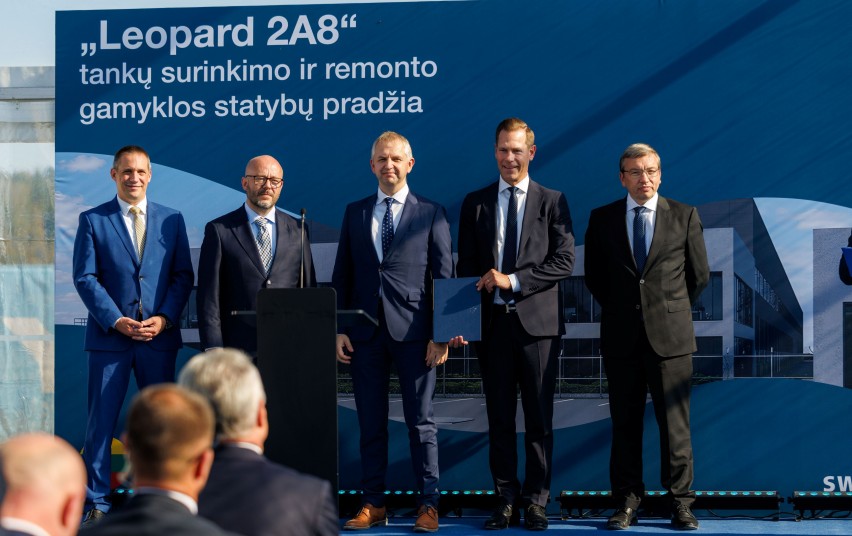
“Electricity and gas transmission volumes grew, and more and more energy projects that increase flexibility and energy independence are being connected to the grids. We are seeing a huge leap in energy storage – the capacity of battery systems operating in Lithuania already exceeds 1 GW. These systems help balance the electricity system, reduce price fluctuations and create conditions for the further development of green energy. We have agreed on the connection point for the Harmony Link interconnector with Poland, and we have also taken an important step in the defence industry – we signed the shareholders’ agreement for the Leopard 2A8 tank factory project,” says Mindaugas Keizeris, CEO of the EPSO-G Group.
Local electricity and biomethane generation grew
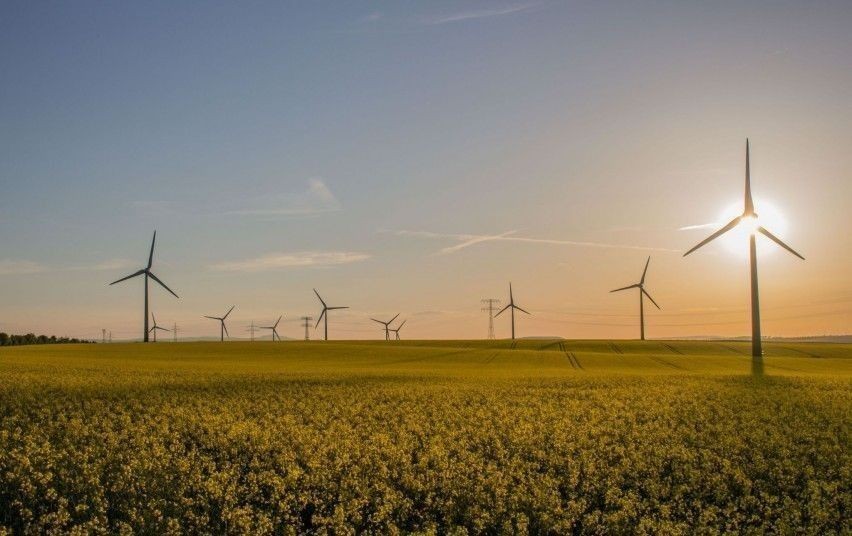
During the first nine months of 2026, the installed capacity of solar, wind and other renewable energy power plants connected to Lithuania’s electricity transmission and distribution networks reached 6.8 gigawatts (GW), compared with 5.6 GW in the same period of 2025.
From January to September this year, 8.68 terawatt-hours (TWh) of electricity were generated in Lithuania – 17% more than in the same period of 2025, when 7.41 TWh were generated. Generation by storage facilities grew the most – by 35%. Electricity generated in Lithuania met 81% of the country’s electricity demand, and electricity from renewable energy sources accounted for 62%.
The amount of biomethane produced in the country also continued to grow. During the first nine months of this year, 412 gigawatt-hours (GWh) of green gas were injected into the transmission system – 2.3 times more than in the same period last year, when the amount was 179 GWh.
Financial results
In January–September this year, the EPSO-G Group’s adjusted net profit was EUR 37.7 million, up by more than 52% from EUR 24.8 million in the same period last year. The indicator was boosted by the increased value of regulated assets, improved results of associated companies, and Litgrid’s investment tax relief on profit tax being recognised earlier than last year.
Adjusted EBITDA, calculated after taking into account the adjustment of transmission operators’ results for temporary regulatory differences and eliminating asset revaluation results and other atypical profit or loss, was EUR 68.1 million in the first nine months of this year, up almost 14% year on year from EUR 59.9 million. The increase in the Group’s adjusted EBITDA was driven mainly by the increased value of regulated assets and the improved performance of Tetas.
Due to temporary regulatory effects, the EPSO-G Group’s unadjusted net profit in January–September 2026 was EUR 54.2 million, whereas in the same period of 2025 the Group incurred a loss of EUR 35.2 million. Unadjusted EBITDA was EUR 87.4 million, compared with negative EBITDA of EUR 10.1 million a year earlier.
The EPSO-G Group’s investment in infrastructure aimed at strengthening the security, reliability and resilience of transmission systems (including assets received from third parties) amounted to EUR 158.3 million – 26% more than in the first nine months of 2025, when EUR 126 million was invested. Litgrid’s investment was EUR 142.8 million and Amber Grid’s EUR 14.1 million. This year, the Group company EPSO-G Invest invested EUR 33.6 million in the defence industry, using this amount to pay for its part of the Rheinmetall Defence Lietuva share issue.
Transmission network indicators
In January–September 2026, electricity transmitted through Litgrid’s high-voltage networks for the country’s needs amounted to 6.5 TWh – 2% more than in the same period of 2025, when 6.4 TWh were transmitted.
During the first nine months of this year, 28.2 TWh of gas, excluding transit to Kaliningrad, were transported through Amber Grid’s gas transmission system. This is 19% more than in the same period of 2025, when 23.8 TWh of gas were transported.
Biofuel market results
During the first nine months of 2026, heat supply companies, independent heat producers and industrial companies from Lithuania, Latvia, Estonia and Poland purchased 6.3 TWh of biomass on the Baltpool energy resources exchange – 5% less than in the same period of 2025 (6.6 TWh). The total value of transactions was EUR 180.4 million – 38% more than a year earlier. The growth was driven mainly by the increase in the average transaction price – from EUR 19.80 to EUR 28.69/MWh. Biomass prices rose due to the cold winter, more difficult biomass harvesting conditions, higher fuel costs and reduced supplier stocks. Trading volumes in Lithuania decreased by 2% and in foreign markets by 14%. The decline abroad was mainly due to the activity of the largest Estonian market participant halving, while trading volumes in Latvia grew by 20%.
The EPSO-G group of companies consists of the management company EPSO-G and six directly controlled companies: Amber Grid, Baltpool, Energy cells, EPSO-G Invest, Litgrid and Tetas. EPSO-G and Group companies also hold shares in Rheinmetall Defence Lietuva, Baltic RCC OÜ and TSO Holding AS. The rights and obligations of EPSO-G’s sole shareholder are exercised by the Ministry of Energy of the Republic of Lithuania.