In the first half of 2026, new energy group EPSO-G increased electricity and gas transmission volumes, as well as investments in the security, reliability and resilience of the transmission systems. Group’s adjusted net profit for the period amounted to EUR 24.4 million, while adjusted earnings before interest, taxes, depreciation and amortisation (EBITDA) reached EUR 44.1 million.
“During the first half of this year, electricity and gas transmission volumes increased, while the number of renewable energy projects continued to grow. For the first time in the country’s history, renewable energy sources fully met Lithuania’s electricity demand for an entire week. By mid-August, we had already recorded 70 days this year when the country’s electricity demand was fully met by domestic generation – reaching the total recorded for the whole of last year before the end of summer. Electricity imports currently account for about one-fifth of the country’s demand. At the same time, the number of commercial energy storage facilities connected to the grid is growing rapidly. These facilities play an important role in the development of the balancing services market, strengthening power system stability and reducing price fluctuations. These developments clearly demonstrate that Lithuania is steadily moving towards greater energy independence,” says Mindaugas Keizeris, CEO of EPSO-G group.
Local Electricity Generation Increased
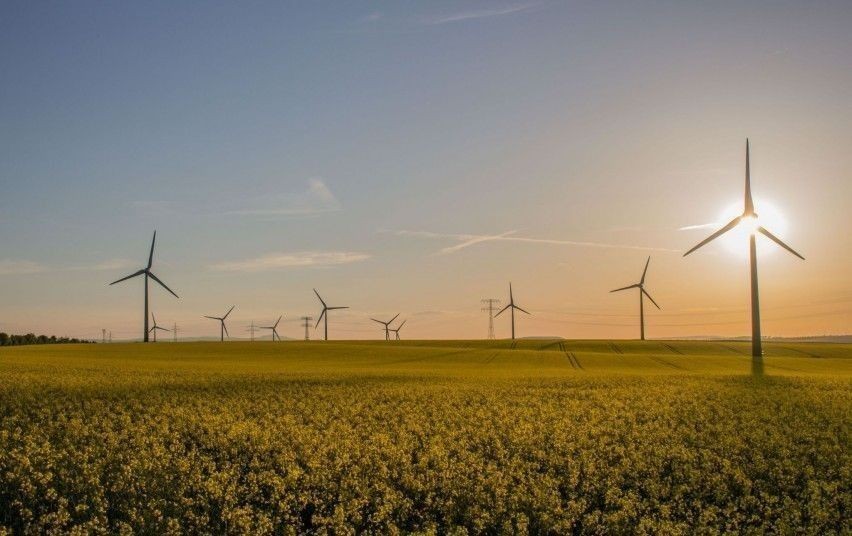
During the first half of 2026, the installed capacity of solar and wind power plants and other renewable energy sources connected to Lithuania’s electricity transmission and distribution networks reached 6.4 gigawatts (GW), compared to 4.6 GW during the same period in 2025.
Lithuania generated 5.83 terawatt-hours (TWh) of electricity from January through June of this year, compared to 5.39 TWh during the same period in 2025. Electricity generation in the country was 10 percent higher than a year ago, with wind energy generation showing the strongest growth at 46 percent. Electricity generated in Lithuania met 78 percent of the country’s electricity demand, 59 percent of which came from renewable energy sources.
The volume of biomethane injected into Lithuania’s gas transmission and distribution system continues to grow rapidly. In the first half of 2026, 242.9 gigawatt-hours (GWh) of biomethane were injected into the system – 2.6 times more than during the same period in 2025. In addition, three projects to connect biogas production facilities to the transmission system were completed.
Financial Results
In the first half of 2026, EPSO-G group’s adjusted net profit amounted to EUR 24.4 million, an increase of nearly 37% compared to EUR 17.7 million in the same period last year. The increase was driven by the higher value of regulated assets, improved results of associated companies and the recognition of an investment-related corporate income tax benefit at Litgrid.
Adjusted EBITDA, calculated by adjusting the transmission system operators’ results for temporary regulatory differences and eliminating the effects of asset revaluations and other non-recurring gains or losses, amounted to EUR 44.1 million in the first half of 2026, representing a year-on-year increase of nearly 9% from EUR 40.5 million. The increase in the Group’s adjusted EBITDA was primarily driven by the higher value of regulated assets and improved operating results at Tetas.
Due to temporary regulatory effects, EPSO-G group’s unadjusted net profit amounted to EUR 55.1 million in the first half of 2026, compared with a net loss of EUR 41.3 million in the same period of 2025. Unadjusted EBITDA amounted to EUR 80.8 million, compared with negative EBITDA of EUR 29.2 million a year earlier.
The change in financial results was primarily driven by higher electricity and natural gas transmission volumes due to the prolonged and unusually cold winter, as well as improved results from Litgrid’s ancillary services. The latter were affected by differences between balancing reserve costs and the costs included in the tariff by the regulator, as well as other regulatory effects.
EPSO-G group’s investments in infrastructure aimed at strengthening the security, reliability and resilience of the transmission systems amounted to EUR 99.6 million, nearly 20% more than in the first half of 2025.
Transmission Network Performance Indicators
In the first quarter of 2026, Litgrid transmitted 4.6 TWh of electricity through its high-voltage transmission network to meet domestic demand, nearly 4% more than in the same period of 2025 (4.5 TWh).
In the first half of 2026, a total of 21.3 TWh of gas entered the Amber Grid gas transmission system, excluding transit to the Karaliaučius. This was 29% more than in the same period of 2025, when 16.5 TWh of gas was transmitted.
During the first half of the year, 10.1 TWh of gas was transmitted to Lithuanian consumers, 16% more than in the first half of 2025 (8.7 TWh). The increase in gas transmission volumes in the domestic market was driven by higher demand from the fertiliser production sector and colder winter weather, which increased energy demand.
In the first half of the year, 18.6 TWh of gas was supplied through the Klaipėda LNG terminal, the main source of gas imports, accounting for nearly 88% of all gas entering the transmission system. Gas volumes entering the system via the LNG terminal increased by nearly 31% compared with the same period last year.
A total of 8.8 TWh of gas was transmitted via the Lithuania–Latvia gas interconnection to meet demand in Latvia, Estonia and Finland, 47% more than in the first half of 2025. Gas flows to Poland increased by 40%, from 1.6 TWh to 2.3 TWh.
Biomass Market Developments
In the first half of 2026, district heating companies, independent heat producers and industrial companies from Lithuania, Latvia, Estonia and Poland purchased 3.7 TWh of biomass on the Baltpool energy exchange, 6% less than in the same period of 2025 (3.95 TWh). The total value of transactions amounted to EUR 103 million, an increase of 31% year on year. The increase was primarily driven by higher average transaction prices.
Biomass prices increased due to the cold winter and more challenging biomass production conditions both before and during the heating season. Trading volumes in Lithuania remained stable, while volumes in foreign markets decreased by 28%, mainly due to lower demand and reduced activity by the largest market participant in Estonia.
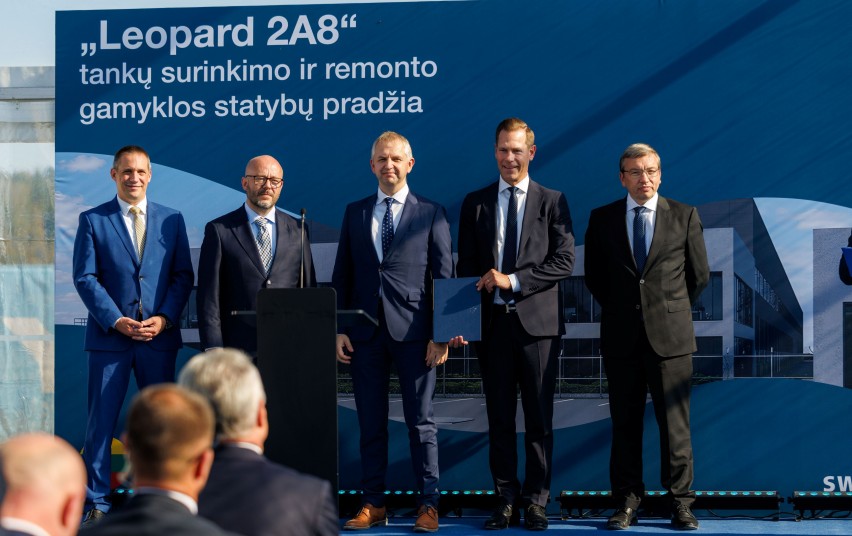
EPSO-G group of companies consists of the holding company EPSO-G and six directly owned subsidiaries: Amber Grid, Baltpool, Energy cells, EPSO-G Invest, Litgrid and Tetas. EPSO-G and the Group’s companies also hold shares in Rheinmetall Defence Lietuva, Baltic RCC OÜ and TSO Holding AS. The Ministry of Energy of the Republic of Lithuania exercises the rights and obligations of the sole shareholder of EPSO-G.